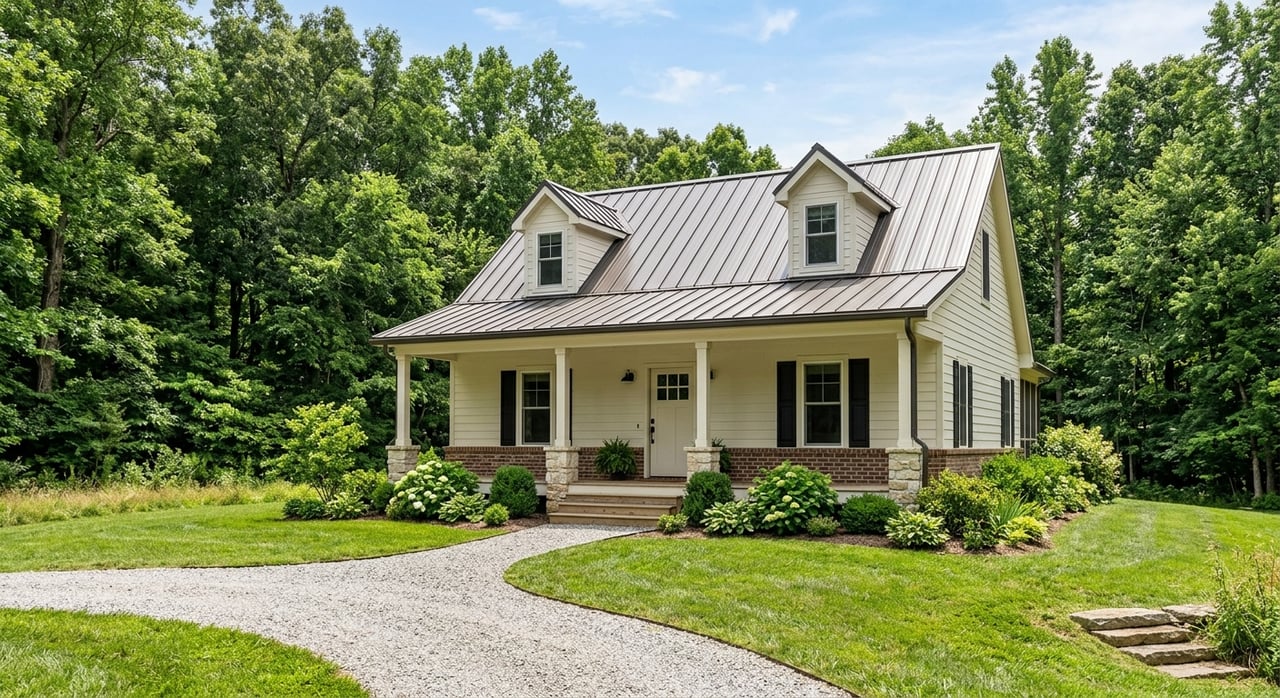
Selling a rural home or small farm near McMinnville is different from selling a house in town. Buyers are not just looking at bedrooms and paint colors. They want to understand the land, access, utilities, and records behind the property. If you plan ahead, you can make your listing easier to trust, easier to market, and easier to move forward. Let’s dive in.
Why rural properties need extra prep
With rural homes, mini-farms, and acreage in Warren County, buyers usually have more questions during due diligence. Tennessee’s residential property disclosure form asks about items like road access, water supply, septic or waste disposal, survey changes, encroachments, easements, flooding or drainage, zoning or setback issues, deed restrictions, HOA or common-area obligations, and leased systems or equipment.
That means your best pre-listing work is often practical, not cosmetic. A clean file and a clear presentation can help buyers understand what they are seeing before concerns slow down the sale.
Start with the property records
Before your home goes live, gather the documents buyers are most likely to review. This gives you a better picture of what you own on paper and helps your listing details stay accurate from day one.
Pull parcel, deed, and plat details early
The Tennessee Property Assessment Data system can be searched by county, owner name, property address, or parcel ID. Parcel pages may show owner and mailing information, property location, subdivision or plat references, utility type, zoning, acreage, and sale history.
For a rural listing near McMinnville, this is a smart first step. It helps confirm basic details that buyers will likely compare against your listing information.
Know the key Warren County offices
In Warren County, the offices most tied to ownership, recorded documents, and tax records are the Assessor of Property, Register of Deeds, and County Clerk. Having the right office in mind can save time when you need a deed reference, tax record, or filing history.
The county clerk office is located at 201 Locust Street, Suite 2P in McMinnville. If questions come up during preparation, these local offices are often part of the answer.
Check for greenbelt status
If your land is in Tennessee’s greenbelt program, gather those records before pricing and marketing the property. Greenbelt land is valued based on present use rather than highest and best use, and approved applications must be recorded with the Register of Deeds.
First-time applications are due by March 15 through the county assessor, and rollback taxes can apply if property becomes disqualified. If your tract is in greenbelt, buyers will want clear information about the current classification and any related paperwork.
Make the land easy to understand
Rural property is harder to evaluate when a buyer cannot clearly see how it works. Your goal is to help people read the land quickly and confidently.
Clear access points and improvements
A smart cleanup should make important features visible. Focus on the driveway or lane, gates, fence lines, barns, sheds, ponds, utility areas, and any spots that are difficult to enter or maintain.
This matters because buyers are often evaluating access, shared features, drainage, and boundary-related concerns at the same time. When key features are easier to inspect, buyers can ask better questions and feel more informed.
Explain private roads and shared access
Tennessee requires sellers of residential property to disclose whether the property is on a private road. On rural tracts, that often means you should be ready to explain driveway agreements, easements, shared maintenance arrangements, and gate access.
If part of the property experience depends on shared use, say so clearly and gather whatever records help explain it. Confusion around access can slow momentum quickly.
Document water and soil issues
The Tennessee disclosure form also asks about flooding, drainage or grading problems, flood or landslide damage, and settling or other soil issues. If you know about recurring water problems, past repairs, or mitigation work, organize that information before marketing begins.
This does not mean your property will not sell. It means you are reducing surprises, which is especially important with land and rural improvements.
Gather utility and system records
For rural buyers, utility and maintenance records can matter as much as the condition of the house. These items help buyers understand how the property functions day to day.
Septic system records
The Tennessee Department of Environment and Conservation says a septic construction permit is required for installation of a subsurface sewage disposal system and for repair of an existing faulty system. Its septic pages also provide a record search for septic-related permits and approvals.
Try to gather the original permit, any repair permits, installer information, pumping or service records, and the location of the tank and field lines. This is some of the most helpful information you can provide on a rural sale.
Private well information
Tennessee’s Healthy Well Manual notes that homeowners are responsible for private-well safety because the state does not periodically test private wells. It also states that well logs filed with the state are available for wells drilled since 1967.
If your property uses a well, gather the well log, pump service history, and recent water test results if available. Buyers often feel more comfortable when they can review basic well history before making major decisions.
Leased equipment and permit history
Tennessee’s disclosure form asks whether any system, equipment, or part of the property is leased. It also asks about additions or structural alterations made without permits or not in compliance with code.
That means it is wise to collect documents related to propane tank leases, solar agreements, irrigation contracts, or permits for barns and additions. If a structure or system affects the value or use of the property, include it in your prep file.
Present the property the way buyers use it
Strong marketing for rural property is about clarity. You want photos and remarks that answer common questions before buyers even ask them.
Show the land, not only the house
For homes and farms near McMinnville, buyers usually need more than standard exterior and interior photos. They benefit from wide exterior views, aerial context, driveway and lane shots, outbuilding interiors, fence lines, pasture or field views, water features, and any area where access is limited.
This gives a more honest picture of how the property lives. It also helps remote and out-of-area buyers understand the layout before they visit in person.
Write a specific property description
Your listing description should clearly state acreage, water source, sewer or septic service, and whether access is from a public road or private road. If greenbelt classification applies, that should be addressed clearly as well.
These are not minor details on a rural property. They are often central to how a buyer evaluates the land, expected use, and due diligence path.
Questions to answer before listing
If you can answer these questions early, your sale may feel smoother from the first showing through negotiations.
Access and legal use
Be ready to explain whether the driveway is legally accessible and whether any part of it crosses a private road or shared easement. If there is a maintenance arrangement or gate access issue, organize that information in advance.
Septic location and permits
Know where the septic tank and field lines are located and whether permit records are available. Buyers often ask for this early, especially when the land layout affects future plans.
Well records and testing
If the property has a private well, be prepared to discuss whether there is a current well log and whether recent water testing has been completed. Even basic records can make a big difference in buyer confidence.
Restrictions and obligations
If your property is subject to deed restrictions, subdivision restrictions, or HOA obligations, gather those documents before listing. Buyers should be able to understand these limits as part of their decision-making process.
Greenbelt details
If the property is in greenbelt, know what is currently filed and whether there are tax classification issues buyers should understand after closing. This is especially important when the next owner may use the land differently.
A simple seller checklist
Use this checklist as you prepare to sell your rural home or farm near McMinnville:
- Confirm parcel details through Tennessee Property Assessment Data
- Gather the current deed and any plat references
- Check whether the land is in greenbelt and collect related filings
- Clear the driveway, gates, fence lines, and major improvements for visibility
- Identify any private-road, easement, or shared-access arrangements
- Document known drainage, flooding, grading, or soil concerns
- Collect septic permits, repair records, and service history
- Gather well logs, pump records, and recent water test results if available
- Organize leased equipment documents and improvement permits
- Plan photos that show the house, land, access, and outbuildings clearly
- Write listing remarks with specific details about acreage, water, septic, road access, and greenbelt status
The right preparation can help your property stand out for the right reasons. If you want a clear plan for pricing, presentation, and marketing your rural property in Warren County, Robbie Porter can help you put the details in order and bring your listing to market with confidence.
FAQs
What records should you gather before selling a rural home near McMinnville?
- Start with parcel records, deed information, plat references, greenbelt documents if applicable, and records for septic, wells, leased equipment, and permitted improvements.
What does Tennessee require sellers to disclose for rural property?
- Tennessee’s residential property disclosure form asks about access to public streets, water supply, septic or waste disposal, survey changes, encroachments, easements, flooding or drainage, zoning or setback issues, deed restrictions, HOA obligations, and leased systems or equipment.
Why is greenbelt status important when selling land in Warren County?
- Greenbelt classification affects how qualifying land is valued for tax purposes, and rollback taxes can apply if the property becomes disqualified.
What septic information matters when selling a farm or acreage property in 37110?
- Buyers often want the original septic permit, any repair permits, service history, and the location of the tank and field lines.
What well information should you have ready for a rural property sale in Warren County?
- The most helpful items are the well log, pump service history, and recent water test results if available.
How should you market a rural home or mini-farm near McMinnville?
- Use clear photos and descriptions that show the house, acreage, access points, outbuildings, fence lines, utility features, and any important land characteristics buyers need to understand.