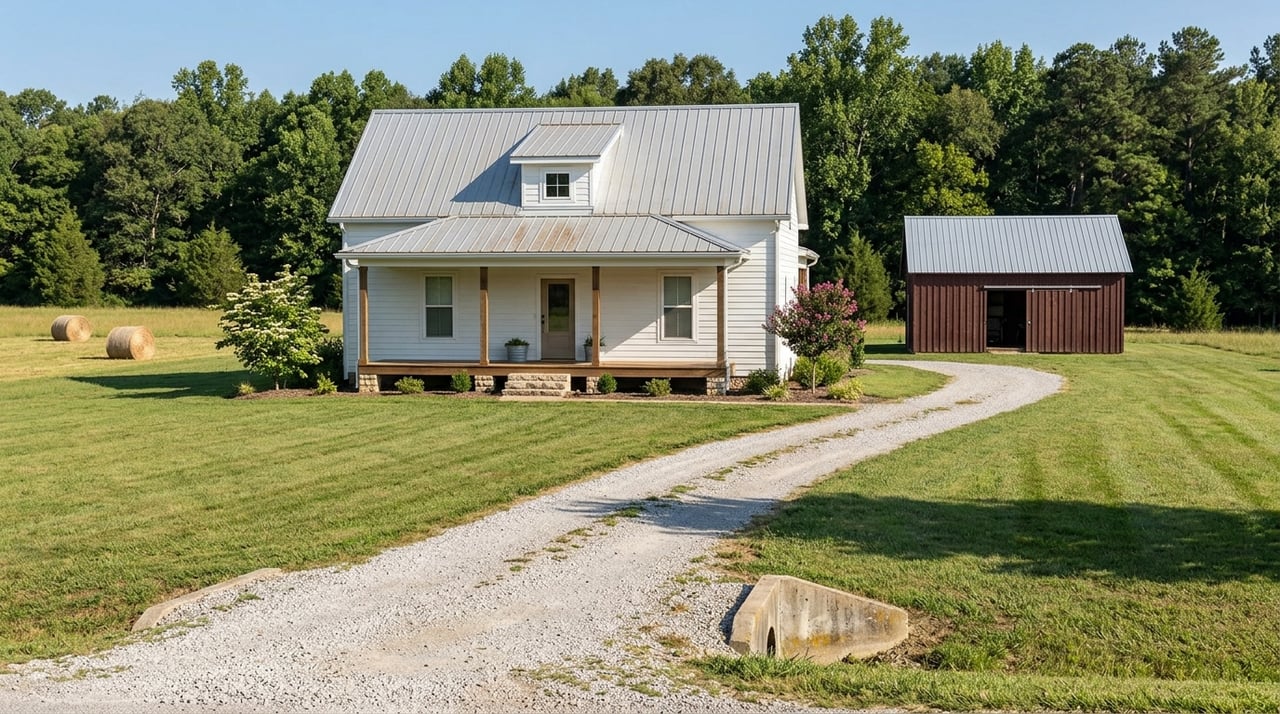
Thinking about buying a few acres near Sparta? You are not alone. In White County, the rural market includes everything from small homesites to workable mini-farms, and the right property can open the door to more privacy, room to grow, and flexible land use. The challenge is that acreage shopping comes with extra layers like access, septic, utilities, soils, and tax questions. This guide will help you focus on what matters most before you buy. Let’s dive in.
Why Sparta-Area Acreage Draws Buyers
White County has a strong small- to mid-sized farm base, which makes the Sparta area especially relevant for buyers looking for usable rural property instead of only large commercial tracts. According to the USDA’s 2022 Census of Agriculture county profile, White County has 815 farms covering 107,015 acres, with an average farm size of 131 acres.
What stands out most is the parcel mix. The largest share of farms falls in the 10 to 49 acre range, followed by the 50 to 179 acre range. That means if you are searching for a hobby farm, a homesite with room for animals, or a mixed-use tract for recreation and future building plans, you are looking in a market where those sizes are common.
Common Parcel Sizes Near Sparta
Here is a practical snapshot of farm sizes in White County:
- 1 to 9 acres: 80 farms, or 10%
- 10 to 49 acres: 306 farms, or 38%
- 50 to 179 acres: 278 farms, or 34%
- 180 to 499 acres: 108 farms, or 13%
- 500 to 999 acres: 29 farms, or 4%
- 1,000+ acres: 14 farms, or 2%
For many buyers, that means the local market supports a wide range of goals. You may be looking for enough land for a home, garden, and shop, or you may want pasture, hay ground, timber, or room for recreational use. Around Sparta, all of those goals can fit the local land pattern.
How Land Is Commonly Used
White County farmland is used mainly for cropland, pastureland, and woodland. USDA data shows 45,078 acres of cropland, 32,854 acres of pastureland, and 21,461 acres of woodland, with additional acreage categorized as other uses.
That mix matters when you read listings. A tract described as mixed-use acreage may truly include several types of terrain and use potential, from open ground to wooded areas. It also helps explain why buyers often find cattle-oriented hobby farm setups, hay ground, and rural properties with both usable pasture and recreational features in this area.
Residential Pressure Is Part of the Story
If you have noticed more interest in rural land around Sparta, the data supports that trend. A Tennessee land-use report for White County found that from 2015 to 2024, 244 parcels and 10,460 acres of agriculture, farm, and forest land were converted to other uses, including 5,226 acres shifting from agriculture to residential use.
For buyers, that does not mean you should rush into a purchase. It does mean that well-located acreage can be in demand, especially when it offers practical access, buildable ground, and flexible long-term use. Good due diligence becomes even more important when competition centers on land that can support both lifestyle and future resale goals.
Start With Buildability
Acreage buyers often focus first on the number of acres. In reality, buildability should come first. A beautiful tract is only as useful as its legal access, site conditions, and ability to support your plans.
In White County, the Planning Commission oversees and approves subdivisions of property and also recommends roads to the county commission for inclusion on the county road list. That makes road status, subdivision history, and possible future division key issues, not side notes.
If you are thinking about building now or later, ask questions early. Can the parcel legally function as a homesite? Has it been split before? Is there a recorded route for access? Could future division trigger more review? These are the kinds of details that shape the value and usability of rural property.
Verify Access and Easements
With acreage, legal access is one of the first items to confirm. A driveway or visible path does not always tell the whole story. You want to know whether access is recorded and whether any easements affect how you can use the property.
The White County Register of Deeds records deeds, plats, mortgages, easements, liens, and related instruments that provide public notice of ownership and encumbrances. For a buyer, this is a key source for verifying boundary history, recorded access, and easements tied to shared roads, utilities, or driveways.
This step can protect you from surprises later. It is much better to confirm access before closing than to discover afterward that your intended entry point or utility route depends on terms you did not review.
Check Utilities Before You Assume Anything
One of the biggest misconceptions in rural real estate is that a Sparta mailing address means utility service will be straightforward. In reality, utility coverage is highly parcel-specific.
The City of Sparta’s water department says it serves the city and three surrounding utility districts. City information also notes that sewer serves the majority of the city and portions of the county. At the same time, local districts such as DeWhite Utility District and BonDeCroft Utility District serve parts of the broader Sparta area. In short, public water may be available, but you should never assume it based on address alone.
A good next step is to confirm:
- Who provides water service to the parcel
- Whether sewer is available or septic will be required
- Whether utility connections already exist or would need extension
- Whether any easements affect utility placement
Understand Well Water and Private Supply
Private water is still common in rural Tennessee. The Tennessee Department of Health says about 10% of the state uses a private water supply, usually a groundwater well or a spring.
That can work well for many properties, but buyers should understand the setup. Private water quality is largely unregulated, even though well construction is regulated. Tennessee also requires water well drillers, pump installers, and water treatment device installers to be licensed by the state.
If a property depends on a well or spring, ask clear questions about the source, any available records, and current use. Water matters for day-to-day living, livestock plans, and resale confidence.
Septic Is a Major Buying Checkpoint
For many small farms and acreage tracts near Sparta, septic approval is one of the biggest make-or-break issues. The Tennessee Department of Environment and Conservation says a conventional septic permit is required before dirt work or construction begins. The same is true for alternative systems when soils or site conditions are less favorable.
TDEC also notes that inspection letters are commonly requested during sales, mortgages, and subdivisions, and water samples are routinely requested in real estate transactions. For buyers, that means septic questions are not just construction questions. They can affect financing, timelines, and whether a parcel works for your intended use.
If you are buying vacant land, ask whether the property has been evaluated for septic and whether supporting records are available. If you are buying a home on acreage, ask about the existing septic system and any inspection documentation that may be relevant.
Dividing Land Takes Planning
Some buyers want acreage they can use now and possibly divide later. That can be a smart strategy, but it needs careful review.
TDEC requires a subdivision evaluation when a tract is divided into two or more lots, sites, or other divisions for future construction where septic will be used. TDEC says a survey and soils map must be submitted first. The agency also notes that dividing a tract into parcels where all resulting parcels are 5 acres or larger is not included in that specific subdivision definition, but buyers should still treat this as a planning checkpoint and verify details with both the county and TDEC before relying on acreage alone.
This is one reason local guidance matters. The right parcel for your future plans is not just about size. It is about how county and state requirements apply to that specific tract.
Soils and Drainage Matter More Than Buyers Expect
Acreage can look perfect from the road and still have site limitations. Soil type, slope, drainage, and erosion patterns all influence how land performs for building, pasture, gardens, driveways, and long-term maintenance.
The White County Soil Conservation District helps landowners install conservation practices to prevent erosion, improve water quality, and steward natural resources. USDA’s Web Soil Survey can also provide general soil maps and data for planning work, although NRCS notes that onsite investigation is still needed in some cases.
For you as a buyer, this means a visual showing is only the beginning. If you are serious about a tract, you will want to understand whether the ground supports your intended use, especially if you plan to build or improve the land over time.
City Limits or County Rules
Another important step is confirming whether the parcel is inside Sparta city limits or in unincorporated White County. The answer can affect permitting and planning review.
White County’s Building Inspector enforces building codes in unincorporated areas of the county and handles building, plumbing, and mechanical permits. Within Sparta, the city lists separate planning and zoning functions, a board of zoning appeals, and a planning commission. A parcel’s exact location can change which office you need to contact and which rules apply.
That distinction matters if you are planning a home, barn, workshop, or other improvements. It is always better to confirm jurisdiction early than to discover a surprise after closing.
Greenbelt Questions Can Affect Taxes
If you are buying acreage, ask about greenbelt status before assuming property taxes will stay the same. The Tennessee Comptroller explains that the Agricultural, Forest and Open Space Land Act, often called greenbelt, is administered by the assessor of property and values qualifying land based on current use rather than market value.
The Comptroller also notes that rollback assessments can occur if land use changes after enrollment. For buyers, that means tax treatment may depend on both current status and future plans. If you expect to change how the property is used, it is smart to ask the White County Assessor of Property how that could affect the parcel.
A Smart Due Diligence Checklist
Before you buy acreage or a small farm near Sparta, work through these core questions:
- Confirm legal access and any recorded easements
- Verify who provides water and whether sewer is available
- Ask whether the property uses septic or will need septic approval
- Review soil and drainage conditions for your intended use
- Confirm whether the parcel is in Sparta city limits or unincorporated White County
- Ask about greenbelt status and whether future plans could affect taxes
- Review subdivision history if you may want to split the land later
- Check whether any permits may be needed for a home, barn, shop, or other improvements
This kind of preparation helps you buy with more confidence. It also gives you a better sense of whether a property fits your goals today and five years from now.
Why Local Guidance Helps
Buying land is different from buying a typical house in town. You are not only evaluating the structure or the square footage. You are evaluating the tract itself, how it functions, and what it can realistically support.
That is where local knowledge makes a difference. Around Sparta and the Upper Cumberland, acreage can vary widely from one road to the next in access, utilities, topography, and long-term use options. Having a patient guide who knows the questions to ask can save you time, money, and frustration.
If you are considering acreage or a small farm near Sparta, working with someone who understands both residential and land transactions can help you sort through the details with a clear plan. When you are ready to start your search or evaluate a property, connect with Robbie Porter for practical, local guidance tailored to your goals.
FAQs
What acreage sizes are most common near Sparta, Tennessee?
- In White County, the most common farm sizes are 10 to 49 acres and 50 to 179 acres, based on the USDA’s 2022 Census of Agriculture county profile.
What should buyers verify before buying land near Sparta?
- Buyers should confirm legal access, easements, water service, sewer or septic needs, soil and drainage conditions, greenbelt status, and whether the parcel is inside Sparta city limits or unincorporated White County.
Does a Sparta address mean a property has public water?
- No. Water service around Sparta is parcel-specific, and public water should be verified directly because service can depend on the city or a surrounding utility district.
Do vacant land buyers near Sparta need to check septic approval?
- Yes. TDEC says septic permits are required before dirt work or construction begins, and site conditions can affect whether a conventional or alternative system is needed.
Can you divide acreage near Sparta in the future?
- Possibly, but future division depends on county and TDEC requirements, including whether septic will be used and whether surveys and soils information are needed.
Who should buyers contact about White County acreage questions?
- Helpful offices include the White County Assessor of Property, Register of Deeds, Planning Commission, Building Inspector, Soil Conservation District, and UT Extension White County, depending on the issue you are researching.