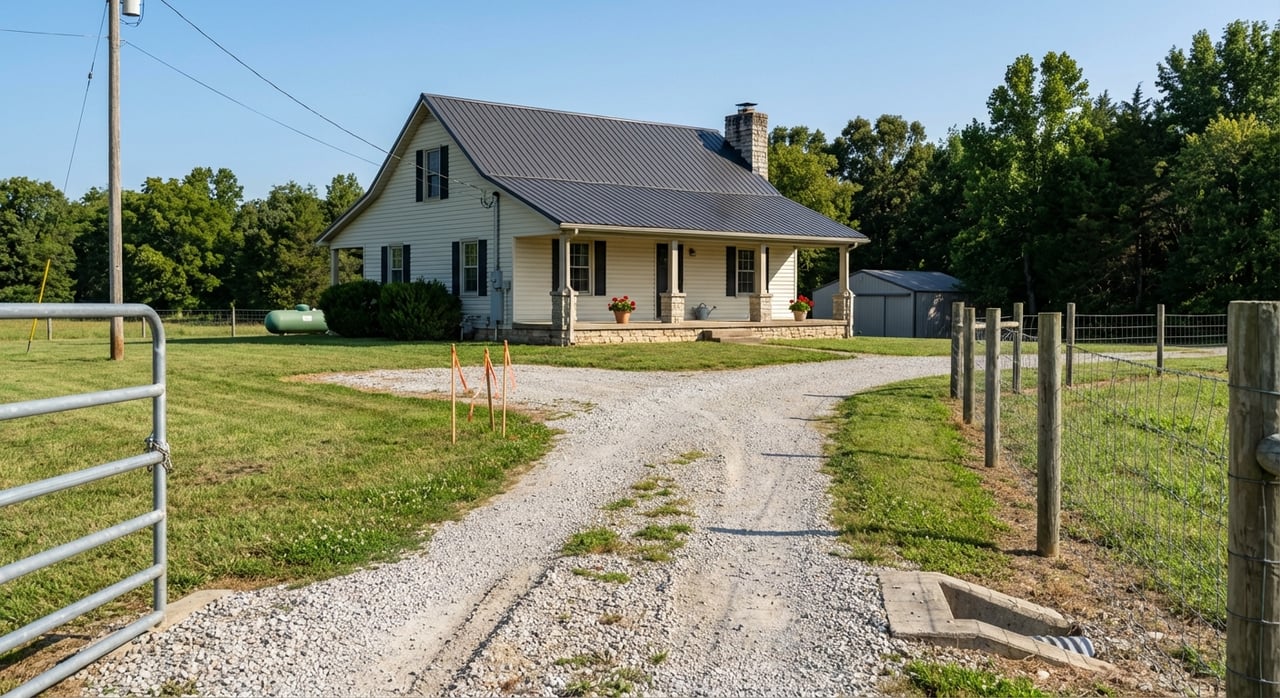
Dreaming of a little space to breathe, keep a garden, or raise a few animals near Dunlap? You’re not alone. The Sequatchie Valley offers beautiful views and practical acreage, but the right property takes careful vetting. In this guide, you’ll learn what to check first — soils, water, septic, utilities, zoning, taxes, and timelines — so your hobby farm plans stay on track. Let’s dive in.
Why Dunlap fits hobby farms
Dunlap sits in a narrow valley with ridges and benches, which means parcel slopes, soils, and drainage can vary a lot from one property to the next. Those differences affect pasture potential, hay production, well depths, and septic design. Start with NRCS soil maps and local guidance to screen sites and reduce surprises. The City of Dunlap governs zoning inside city limits while county and state rules apply outside the city, so always confirm which jurisdiction a property falls under before you make an offer.
City or county rules
If a property is inside Dunlap city limits, the city’s zoning, setbacks, flood overlays, and building permits apply. You can review the city’s published rules in the Dunlap zoning ordinance. Outside the city, coordinate with Sequatchie County for subdivision and access requirements, and confirm any county overlays or procedures before assuming a use is allowed. Find contacts and meeting info through the Sequatchie County government.
Soil, water, and septic basics
Soils and pasture
Use the NRCS Web Soil Survey as your first filter, then verify on site. Local soil series common in the valley bottoms and terraces have different drainage and rock content, which impact pasture and septic feasibility. For background on area soil types and considerations, review these soil mapping references. For management advice, soil tests, and forage recommendations, the UT Extension offers practical help through its Sequatchie County programs.
Wells and public water
Many acreage homes rely on private wells. Tennessee requires licensed drillers, a Notice of Intent before drilling, and a well completion report filed with the state. When you evaluate property with a well, ask for the driller’s report, order lender‑approved water testing, and budget for treatment if tests show bacteria, iron, hardness, or other issues. See TDEC’s guidance on private well standards and testing.
If public water may be available, confirm service boundaries, pressure, meter costs, and tap fees directly with the utility before you close. Availability can change street by street, so a written confirmation is best.
Septic permits in Tennessee
Where no sewer is available, Tennessee requires a Construction Permit for a Subsurface Sewage Disposal System. A licensed professional must perform a site evaluation, which can include percolation tests or high‑intensity soil mapping. TDEC’s Division of Water Resources issues the permit, and review can take up to 45 days. Steep or wet parcels sometimes require engineered systems, which cost more and take longer to design. Review the process, fees, and forms on TDEC’s septic system permit page.
Utilities, access, and broadband
Electric and internet
Electric service in Sequatchie County is provided primarily by the Sequachee Valley Electric Cooperative. Ask about the nearest connection point, transformer distance, and any service upgrades you may need for barns or workshops. Start with SVEC’s Sequatchie County service center. For internet, BTC Fiber and other providers cover parts of the valley. Coverage maps can be misleading, so request an address‑specific serviceability check in writing.
Roads and driveway access
Find out if your access is via a public road, a county‑maintained road, or a private easement, and who maintains it. Confirm E‑911 addressing and whether a new driveway or culvert needs a permit. The Sequatchie County government can help you reach the appropriate road and 911 contacts.
Floodplains and wetlands
Always check FEMA flood maps, including any preliminary updates that could change insurance needs or buildability. If wetlands are present, additional reviews may be required and can limit where you place a house or drainfield. Learn how ongoing FEMA map updates can affect properties by reviewing this federal notice on mapping changes.
Taxes and legal protections
Greenbelt use‑value taxes
Tennessee’s Greenbelt law can reduce property taxes for qualified agricultural, forest, or open‑space land. Agricultural or forest classification generally requires a 15‑acre minimum, along with income and application requirements. Deadlines and rollback rules apply if you change the land’s use later. For eligibility and forms, start with the State Board of Equalization’s Greenbelt guidance and your county assessor.
Right‑to‑Farm basics
Tennessee’s Right‑to‑Farm statutes create a presumption that bona fide farm operations are not a nuisance. This matters if you plan livestock or other odor or noise‑producing activities, and it’s useful context for neighbors as well. You can read the statute here: Right to Farm protections.
How to compare acreage options
Use this shortlist to evaluate 2 to 4 candidate parcels and write contingencies into your offer:
- Title and easements. Order a title commitment and check for utility or access easements, plus any mineral or timber reservations.
- Boundary and topography. Ask for a recent survey, or require one as a contingency if unavailable. If you plan new structures, a topographic sketch helps with siting.
- Septic feasibility. Request any prior approvals. If none exist, order a perc test or high‑intensity soil mapping and follow the TDEC septic permit process before closing.
- Wells and water. If a well exists, obtain the driller’s report and current water test. If not, confirm TDEC’s well requirements and get a drilling estimate. If public water is possible, verify tap fees and pressure with the utility.
- Electric and broadband. Confirm the connection point, costs, and timelines with SVEC’s service center. Ask internet providers for written serviceability at your address.
- Roads and access. Verify whether the road is public or private and who maintains it. Confirm E‑911 address creation if building.
- Soils and slope. Screen with NRCS soil maps, then walk the site. For pasture or gardens, consult UT Extension’s local programs.
- Flood and wetlands. Check FEMA maps, and review any pending map changes using the federal mapping notice.
- Taxes and Greenbelt. Ask for current tax bills and whether the land is enrolled. Review Greenbelt eligibility and deadlines.
- Local providers and costs. Line up a surveyor, septic designer or installer, a licensed well driller, and utility contacts early so you can firm up timelines and budgets.
How an agent coordinates due diligence
Here’s a typical timeline that keeps your project moving and protects you during the contract period:
- Pre‑offer, 1 to 2 weeks. Confirm city vs county jurisdiction, utility providers, and any obvious floodplain. Your agent can call city hall, the county assessor, and local utilities to confirm serviceability. If zoning or subdivision rules apply, review the city’s zoning ordinance.
- Offer and contingencies, 7 to 21 days. Order or require a new survey if needed. Schedule a TDEC site evaluation for septic and request the driller’s report and water tests. If a tax benefit is claimed, ask the seller to document Greenbelt enrollment. Budget examples: soil/site evaluation a few hundred dollars, surveys often 800 to 3,500 or more depending on size and terrain, well drilling many thousands depending on depth, conventional septic systems around 6,000 to 20,000 while engineered systems cost more. TDEC publishes current septic fees and process.
- Permits and planning, 1 to 3 months. For new builds, apply for building permits, submit septic applications to TDEC, and coordinate electric and broadband trenching or upgrades. Verify that contractors carry proper licenses and insurance.
- Closing and after. Record any Greenbelt application per county timelines, keep copies of driller’s reports and septic permits, and schedule required upgrades to meet lender conditions before move‑in.
One‑minute checklist
See a property you love near Dunlap? Confirm whether it is inside city limits, ask for a recent survey, order a TDEC septic feasibility and a well test or driller’s report, check NRCS soil maps and UT Extension recommendations, confirm electric and broadband with SVEC and local providers, and verify any Greenbelt status with the county assessor. If any item is uncertain, include it as a purchase contingency.
Ready to compare parcels or set up vendor walkthroughs? Reach out for local, step‑by‑step support. You can count on Robbie Porter for patient guidance, clear communication, and coordinated due diligence from first showing to closing.
FAQs
What should I check first when buying acreage near Dunlap?
- Start with jurisdiction (city vs county), soils and septic feasibility, water source, utility access, and road access. Verify each item with documents and written confirmations.
How do I know if a Dunlap property is inside city limits?
- Ask your agent to verify with the city and review the Dunlap zoning ordinance. City rules apply inside city limits, county and state rules apply outside.
How long does a Tennessee septic permit take for rural land?
- TDEC reviews septic Construction Permits and can take up to 45 days. Order your soil evaluation early and plan extra time if an engineered system is likely.
What are typical well and septic costs for a hobby farm setup?
- Expect well drilling to run many thousands based on depth and geology, conventional septic systems around 6,000 to 20,000, and engineered systems higher. Get written quotes during contingencies.
What tax benefits exist for farmland in Sequatchie County?
- Tennessee’s Greenbelt program can reduce taxes for qualified agricultural, forest, or open‑space land. Review eligibility and deadlines in the state’s Greenbelt guidance and confirm with the county assessor.
Who provides power and internet to rural properties around Dunlap?
- The Sequachee Valley Electric Cooperative serves local electric customers. Internet options vary by address, so request a written serviceability check from providers before you buy.