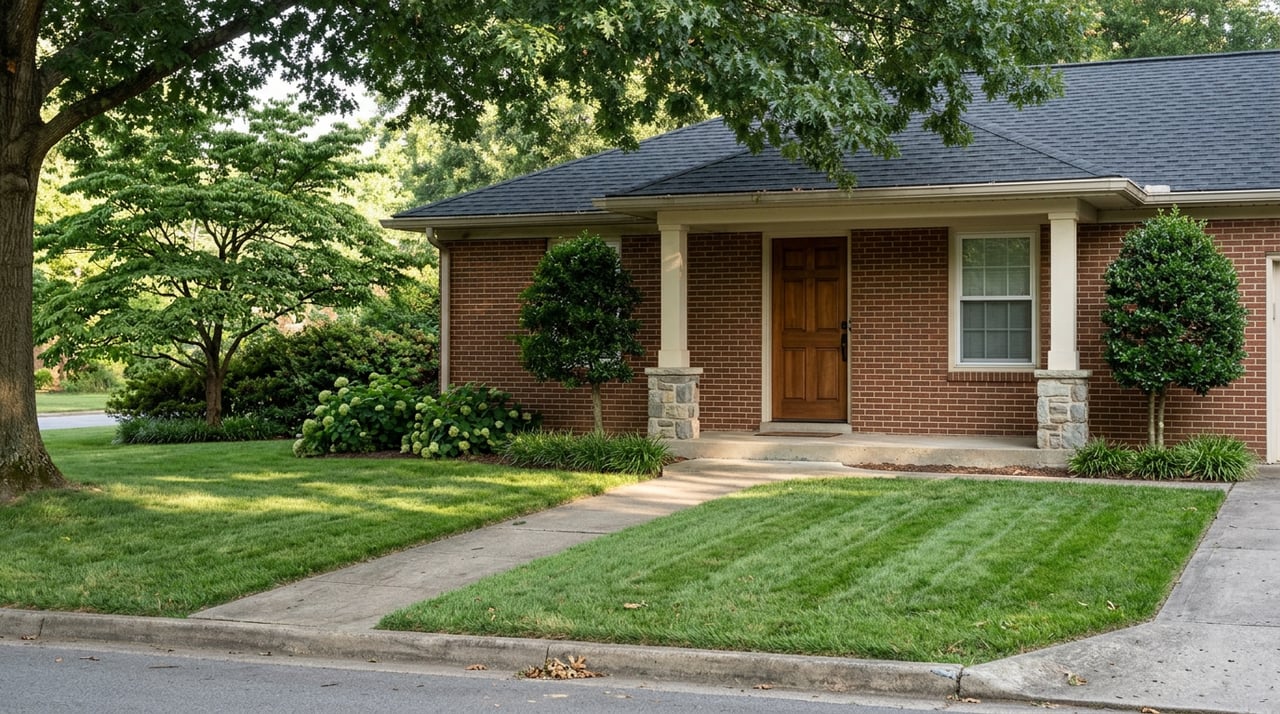
Trying to decide between a new build and a resale home in Baxter? You are not alone. Timelines, warranties, lot sizes, and budgets can feel like moving parts, especially for growing families. In this guide, you will learn the real trade-offs in Baxter and Putnam County so you can match your priorities to the right path and move forward with confidence. Let’s dive in.
Baxter market snapshot and context
Baxter is a small, close-knit town in Putnam County with about 1,578 residents, and the county totals around 79,854 people based on 2020 Census figures shared by the county. That scale explains why you will see both compact subdivisions and nearby acreage options. You can review county background and contacts through the Putnam County site.
Price snapshots vary by source and date. For example, Zillow’s ZHVI for Putnam County was about $303,556 as of January 31, 2026. Realtor.com showed a Baxter median listing price near $344,999 for December 2025. Redfin reported a Putnam County median sale price around $333,000 for January 2026. These differences come from different methods and time frames. When you are ready to buy or sell, rely on your agent’s local MLS data for the most current apples-to-apples view.
New construction: what to expect
Timeline and permitting
Typical build times for a single-family home run about 6 to 12 months from groundbreaking, with many projects landing near 7 to 9 months in normal conditions. Weather, permitting, materials, and labor can shift that schedule. If your lot is inside Baxter city limits, you will follow the City of Baxter permitting and inspection process. You can review local permit contacts and steps on the City of Baxter permitting page. If your site is in unincorporated Putnam County, you will work with the county’s Codes and Planning office, which enforces the 2018 IBC and IRC.
Expect months, not weeks. Even production spec homes often take several months from signing to occupancy, and permit review or site work can add time. If timing matters for a school year or a job start, ask for a realistic schedule in writing and what remedies are in the contract for delays.
Construction financing basics
If you build from the ground up, you may use a one-time-close construction-to-permanent loan or a two-step approach. One-time-close products roll the build and the long-term mortgage into one package, but they require extra underwriting and builder documentation. Two-step loans start with a short-term construction loan and convert to a standard mortgage at completion. The FHA outlines how one-time-close loans work and what to expect with disclosures. Learn more in this FHA overview of one-time-close loans.
Builder warranties and protections
Many builders use a layered warranty that is often described as a 1-2-10 format. In simple terms, it commonly means one year of coverage for workmanship, two years for systems installation, and up to 10 years for major structural defects. Programs like 2-10 Home Buyers Warranty often administer these warranties. The exact coverage, limits, and claims process vary by builder and by the written document. Always request the full warranty booklet and the third-party administrator’s contact information before you sign.
Customization and finishes
Production builders typically let you choose floor plans, elevation styles, and design center packages for cabinets, counters, flooring, and fixtures. Structural changes are often limited with production homes. Custom builders offer broader plan-level changes at higher cost and longer timelines. New homes also let many upgrades roll into the purchase price. Watch for lot premiums and allowances, and get unit prices for common upgrades in writing so you can compare value.
Energy efficiency and maintenance
New homes are built to current code and frequently include higher-efficiency HVAC systems, insulation, windows, and appliances. ENERGY STAR guidance shows that certified new homes can deliver stronger energy performance than typical existing homes, which can reduce utility bills. Actual features vary by builder and package. For context on energy performance programs, see the EPA’s ENERGY STAR new homes overview.
Resale homes: what to expect
Faster move-in and a known neighborhood
If you want to avoid a build timeline, a resale can be the faster path. You can see how the home lives today, meet neighbors, and judge traffic patterns at different times. You also get immediate landscaping and a more established feel.
Maintenance trade-offs
With resales, you rely on seller disclosures, inspections, and any negotiated repairs or credits. Systems like the roof, HVAC, and water heater may be closer to replacement. On the other hand, the purchase price can be more favorable compared with a similarly sized new home, depending on the market.
Lot size and outdoor space
Baxter’s new subdivisions often feature smaller, graded lots that favor neighborhood walkability and lower yard work. At the same time, Baxter and the surrounding Putnam County market include rural and lake-adjacent acreage, including areas near Center Hill Lake, for buyers who want room to spread out. Resale homes often deliver mature trees, shade, privacy, and a finished yard that a new build will take years to match.
Incentives, appraisals, and lender tie-ins
Builders often advertise incentives such as rate buydowns, closing cost help, or design upgrades. These offers may be tied to using the builder’s preferred lender. Read the incentive addendum closely to confirm terms and whether a preferred lender is required. Keep appraisal risk in mind too. Heavy upgrade lists or high lot premiums can push price beyond what nearby comparable sales support. If you are building, coordinate with your lender early and ask your agent to discuss appraisal strategy before you lock in upgrades. The FHA’s overview of one-time-close loans can also help you understand lender requirements for construction transactions.
Local logistics in Baxter
City vs. county paths
Permits and inspections vary by location. Inside city limits, consult the City of Baxter permitting page for building, plumbing, and mechanical permits, and for inspection scheduling. In the unincorporated county, plan on Putnam County Codes and Planning oversight. Lot location affects timelines, fees, and inspection steps.
Utilities, site work, and rules
Before you buy a lot, verify water and sewer availability or a plan for well and septic. Ask about tap fees, grading and drainage plans, and any recorded easements. Confirm HOA rules and fees if the property sits in a managed community. Check FEMA flood zone status, especially for properties near waterways or sloped terrain. Your agent can help assemble these checks through county records and the MLS.
Neighborhood and schools context
If school assignments are part of your decision, confirm current zoning through official channels. Upperman Middle and Upperman High serve parts of the Baxter area. For a starting point, review the Tennessee state listings for schools and safety resources on the TN.gov site. Always verify current assignments directly with the district.
How an agent helps you compare paths
Contract and warranty review
Builder contracts differ from standard resale agreements and often include unique clauses on deposits, change orders, timelines, and arbitration. A buyer’s agent helps you spot risk points and request clarifications. Ask your agent to secure the full warranty booklet, including the claims process and any third-party administrator details.
Independent inspections and access
Even with a builder warranty, third-party inspections catch issues while they are easier to fix. Many buyers arrange phased inspections at pre-pour, pre-drywall, and final, plus an 11-month warranty inspection. Learn more about common inspection milestones in this new-construction inspection guide. Your agent can request inspection access in writing within the builder contract.
Managing upgrades, allowances, and appraisals
Ask the builder for a written upgrade sheet with unit prices and a clear list of allowances for cabinets, counters, flooring, and lighting. Your agent can help you focus on upgrades that support value and function. For financing, your agent and lender can collaborate on appraisal prep, including documenting upgrades and supplying relevant comparable sales.
Quick decision guide
Choose new construction if you want:
- A modern floor plan, current code standards, and potential energy savings
- The ability to customize finishes and roll upgrades into the purchase price
- A layered builder warranty, with clear coverage timelines
- A neighborhood of like-new homes and amenities
Choose resale if you want:
- Faster move-in with a known neighborhood feel
- Mature trees and established landscaping
- Potentially larger lots or acreage options nearby
- Flexibility to renovate on your schedule and budget
Ask the builder or seller
- Who inspects during construction and how will issues be documented?
- Who administers the warranty and how do I file a claim?
- Are any incentives tied to a preferred lender and what are the conditions?
- What is the estimated timeline and what happens if there are delays?
- What are the lot premiums and what do my allowances cover?
Checklist for Baxter move-up and family buyers
- Budget and timeline
- Get pre-approved for the purchase price plus projected upgrades, lot premium, and a 5 to 10 percent contingency. If you plan to build, learn how one-time-close construction loans work.
- Inspection plan
- Independent inspections at pre-pour, pre-drywall, and final, plus an 11-month warranty inspection. See a typical schedule in this new-construction inspection overview.
- Contract and warranty review
- Request the builder contract, addenda, full warranty booklet, and incentive details in writing. Confirm whether incentives require a preferred lender.
- Lot and site checks
- Verify utilities, drainage, grading, easements, flood zone, and HOA rules. Confirm whether you will follow City of Baxter permitting or Putnam County Codes and Planning.
- Value and resale positioning
- Consider lot position in the neighborhood and whether the home type fits local resale demand. If school zoning matters, confirm assignments through official channels and review the TN.gov school listings.
Your next step
If you want a calm, clear comparison tailored to your timeline, budget, and lot preferences, let’s talk. As a local, relationship-first advisor in the Upper Cumberland, I help you weigh new construction against resale with current MLS data, builder contacts, and a step-by-step plan for inspections, financing, and closing. When you are ready to move, reach out to Robbie Porter to start a focused search and make a confident choice in Baxter.
FAQs
How long does it take to build a home in Baxter?
- Most builds take 6 to 12 months after groundbreaking, with 7 to 9 months common in normal conditions. Permits, weather, and materials can shift timing. If inside city limits, review steps on the City of Baxter permitting page.
What does a 1-2-10 builder warranty usually cover?
- Many builders offer about one year for workmanship, two years for systems installation, and up to 10 years for major structural defects. Always read the builder’s written booklet and review programs like 2-10 Home Buyers Warranty.
How do construction-to-permanent loans work for new builds?
- One-time-close loans combine construction and long-term financing into one closing, with extra underwriting and builder documentation. Two-step loans split the process. See the FHA one-time-close overview for key differences.
Are new homes more energy efficient than resales?
- Usually yes, since new homes follow current codes and may include higher-efficiency systems. Actual savings vary by builder and package. For program context, review the EPA’s ENERGY STAR new homes information.
What should I verify before buying a Baxter lot?
- Confirm utilities, septic or sewer needs, drainage and grading, flood zone status, easements, HOA rules, and who has jurisdiction for permits. Start with the City of Baxter permitting page if the lot is inside city limits.
How do new subdivision lots compare with acreage nearby?
- Newer Baxter subdivisions tend to have smaller, graded lots. The broader Putnam County area also includes rural and lake-adjacent acreage where you can plan workshops, detached garages, or more outdoor space. Match the lot type to your lifestyle and maintenance goals.