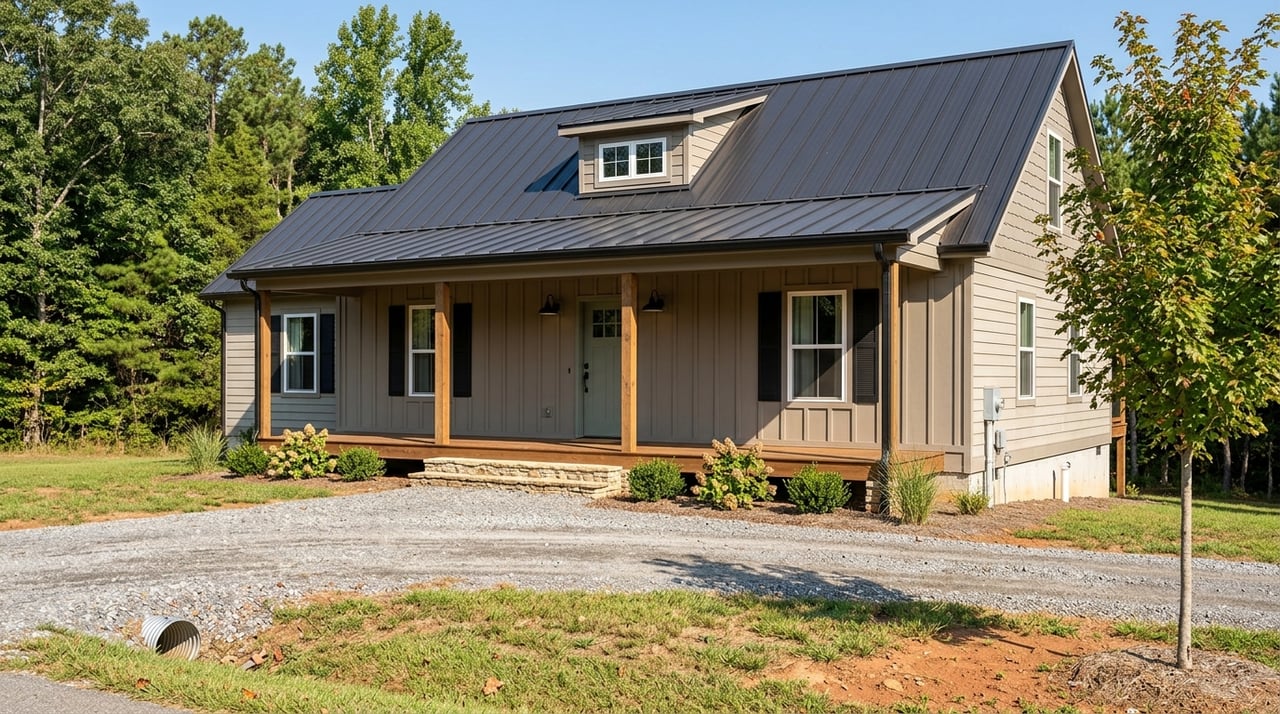
Dreaming about a cabin near Rock Island is the fun part. The harder part is making sure the land can actually support the retreat you have in mind. If you want a place for weekends, future retirement, or a possible rental down the road, a little upfront planning can save you time, money, and stress. Let’s dive in.
Why Rock Island draws cabin buyers
Rock Island has a strong outdoor identity, and that naturally makes it appealing for cabin and retreat buyers. The area is closely tied to river recreation and water-oriented use, which can make it feel like a natural fit for a weekend place or a quiet getaway.
That same setting also means you need to think carefully about the land itself. Near rivers, streams, and low-lying areas, site conditions can affect where you build, how you access the property, and what permits may be required.
Start with the land, not the floor plan
It is easy to fall in love with a cabin design before you fully understand the parcel. Near Rock Island, the better first step is to confirm whether the land supports your plans for access, utilities, and wastewater.
Before you focus on finishes or square footage, ask whether the property has legal access, a workable driveway location, septic potential, and a realistic path to water and power. Those basics shape what you can build and how smoothly the project can move forward.
Check water access early
Public water is not automatic
Warren County Utility District serves Warren County and nearby counties, but that does not mean every parcel has public water available at the road. Availability needs to be confirmed property by property.
If you are looking at raw land, ask early whether a meter connection is possible and what extension work, if any, may be needed. This is one of the first questions worth answering before you close.
A private well may be part of the plan
If public water is not available, a private well may be the next option. Tennessee guidance notes that private drinking-water quality is not regulated in the state, even though well construction is regulated.
That means you will want to plan for due diligence, testing, and realistic installation costs if the property will rely on a well. For a retreat build, this is not a detail to leave for later.
Septic can make or break a build
A beautiful parcel still has to support wastewater disposal. In Tennessee, installing or repairing a septic system requires a TDEC SSDS construction permit.
For buyers, that makes septic feasibility one of the biggest questions to answer upfront. If the parcel does not have an existing approved system, you will want to verify what is possible before treating the lot like a ready-to-build homesite.
Why septic review matters for future use
Septic planning affects more than whether you can build a cabin. It can also affect the size of the home, bedroom count, and how practical the property may be for guests or later rental use.
If part of your long-term plan includes hosting family often or possibly using the property as a short-stay retreat, septic capacity should be part of your early review with local offices and your build team.
Driveway and road access deserve close attention
Not every parcel has simple access, especially in rural or recreation-oriented areas. A site may look easy to reach on a map but still present challenges for driveway placement, grade, construction traffic, or utility installation.
If the property fronts a state highway, access is governed by the Tennessee Department of Transportation entrance-permit process. TDOT says work may not begin until the permit is issued, so this is something to confirm early rather than assume will be simple.
Water crossings and sensitive areas add complexity
If your site work affects a stream, wetland, or river crossing, Tennessee says physical alterations to waters of the state may require an ARAP or Section 401 certification. That can include road and utility crossings.
In practical terms, if your dream cabin site needs a creek crossing, culvert work, or utility trenching through a sensitive area, you need to know that before you buy. These details can change both timeline and budget.
Power service should be verified, not guessed
Caney Fork Electric Cooperative lists a Warren County office in McMinnville, which is helpful for buyers evaluating service options. Still, electric availability should be confirmed for the specific parcel.
Some rural properties are much easier to serve than others. Early utility confirmation can help you avoid surprises and better compare one tract against another.
Understand the county permit path
Warren County handles building and environmental codes through its Building & Environmental Codes Department in McMinnville. The county states that these codes are intended to protect public health, safety, welfare, and property values.
For a cabin or retreat build, this matters because your project is not just about buying land. It is also about moving through a local review process the right way.
What the county requires for new residential construction
Warren County’s adopted standards include the 2012 IRC, 2009 IECC, 2012 IBC, 2012 IMC, 2012 IPC, 2012 IFGC, and 2012 IFC. The county’s construction guidelines say these codes apply to new residential and commercial construction.
For a new residential permit, the county requires blueprints or working drawings that show square footage. The permit application also asks for the parcel ID and whether the property is inside city limits.
Expect multiple approvals and inspections
The county’s general permit packet lists outside-agency approvals that may involve the planning commission, highway department, water department, sanitation department, Caney Fork Electric, fire department, and state groundwater or fire-prevention offices. That is why early coordination matters.
The county also says an average of 10 inspections are conducted on homes, offices, or factories to verify code compliance. If you are building from out of town, having a clear process and local guidance can make a big difference.
Small additions can still require permits
If you are planning a phased retreat project, do not assume smaller structures are exempt. Warren County says permits are required for additions of 30 square feet or more, detached accessory structures over 200 square feet, and decks larger than 30 square feet.
That matters if your first phase is a simple cabin and your second phase includes a larger deck, storage building, or workshop. It is smart to think about the full property plan from the beginning.
Planning to split land off a larger tract?
Some buyers near Rock Island consider buying a larger parcel and carving off one homesite for a cabin. Warren County’s subdivision regulations say a subdivision includes dividing land into two or more lots when new street or utility construction is needed, or any division of five acres or less for sale or building development.
That means a future split may involve more review than buyers expect. If that is part of your strategy, it is worth verifying the rules before you purchase the parent tract.
Can you buy now and build later?
Yes, many buyers purchase land before they are ready to build. But buying now and building later works best when you already understand the parcel’s limits and likely permit path.
If you plan to hold the property for a while, focus on the items that are hardest to fix later. Legal access, driveway feasibility, water source, power availability, and septic potential are usually more important than choosing a cabin plan on day one.
Think about resale and retreat appeal
A retreat property does not need to be huge to be appealing. In many cases, the easier property to resell later is the one with documented access, a workable build site, utility clarity, and fewer unanswered questions.
That does not guarantee value, of course. It simply means that land with known answers is often easier for future buyers to understand than raw acreage with major unknowns.
Rental plans need local verification
Rock Island’s outdoor setting may support the idea of a weekend retreat or short-stay use, but that should be treated as a qualitative advantage, not an income assumption. If you want the option to rent the cabin later, verify the local rules before you close.
That review should include zoning, occupancy, parking, septic capacity, and tax registration with the appropriate local offices. The county permit process shows that planning, utility, highway, and fire review can all play a role in how a build comes together.
A simple pre-offer checklist
Before you make an offer on land near Rock Island, try to answer these questions:
- Is there confirmed legal road access?
- Will the driveway be straightforward to build?
- Does the parcel need a TDOT entrance permit?
- Is public water available, or will you need a well?
- Has septic feasibility been confirmed?
- Is electric service available at a reasonable path or distance?
- Will any creek, wetland, or water crossing work require state review?
- If you plan to split the land later, do subdivision rules apply?
- Have you spoken with Warren County codes early in the process?
A good land purchase is not just about scenery. It is about making sure the site can support the cabin, timeline, and future use you have in mind.
If you are weighing land near Rock Island and want a patient local guide to help you sort through access, utilities, and build-readiness, reach out to Robbie Porter. He can help you evaluate the property with the bigger picture in mind.
FAQs
Can I buy land near Rock Island now and build later?
- Yes, but you should still verify access, water, septic, power, and permit considerations before buying so you know what the land can realistically support.
How do I know if a Warren County parcel has public water?
- Public water availability should be confirmed parcel by parcel with Warren County Utility District rather than assumed based on nearby service.
Does a cabin site near Rock Island need a septic permit?
- Yes, installing or repairing a septic system requires a TDEC SSDS construction permit.
What if my cabin driveway connects to a state highway in Warren County?
- If the parcel fronts a state highway, the driveway access may require a TDOT entrance permit, and work cannot begin until the permit is issued.
Could creek or wetland work affect my cabin build near Rock Island?
- Yes, if site work alters a stream, wetland, river crossing, or other waters of the state, Tennessee may require an ARAP or Section 401 certification.
Do small cabin additions in Warren County need permits?
- Often, yes. Warren County says permits are required for additions of 30 square feet or more, detached accessory structures over 200 square feet, and decks larger than 30 square feet.
If I want to rent out a cabin near Rock Island later, what should I verify?
- Before closing, verify zoning, occupancy, parking, septic capacity, and tax registration with local offices, since a rental plan should not be assumed to work automatically.